PDO olive-growing area Corsica - Oliu di Corsica
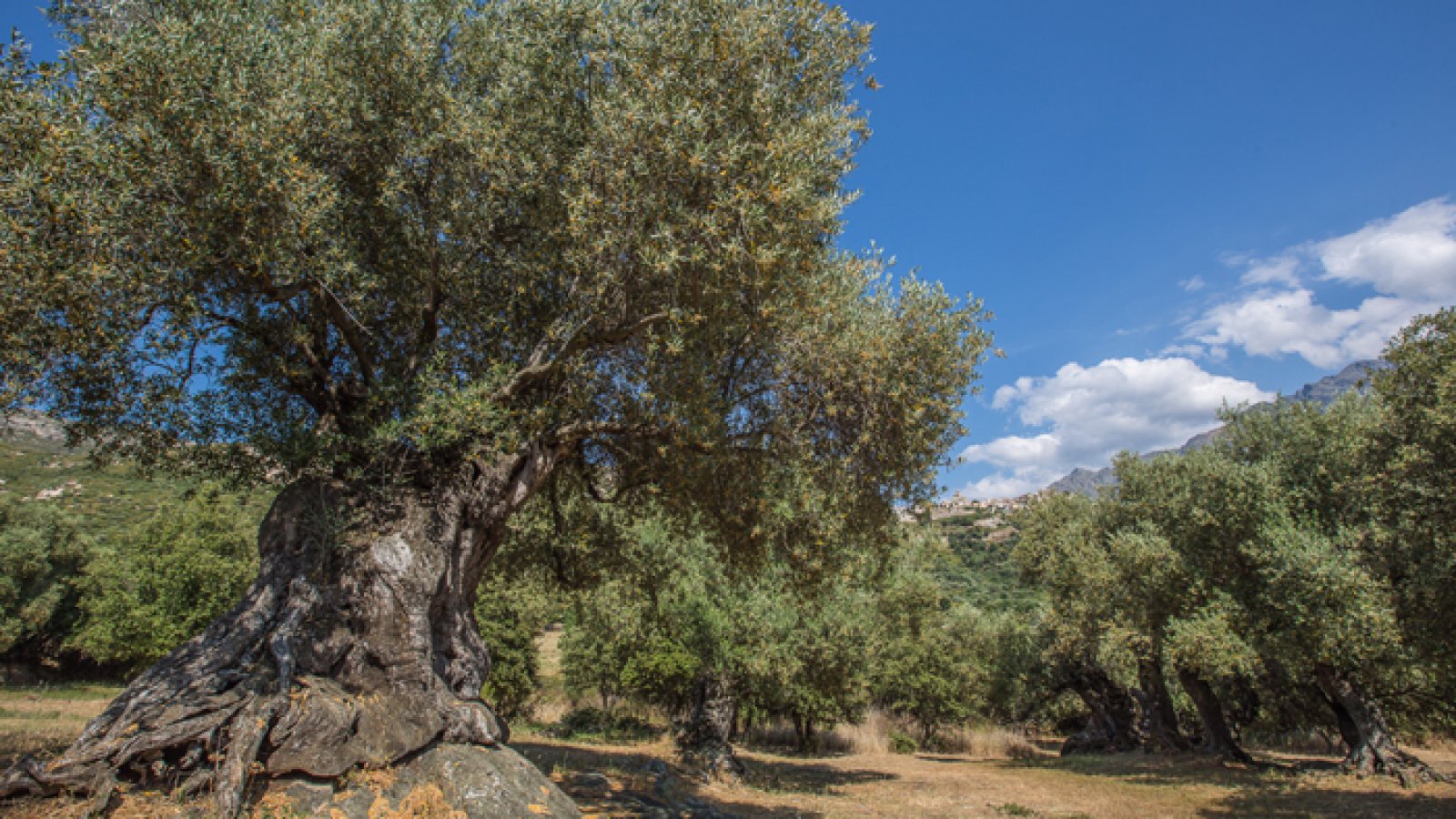
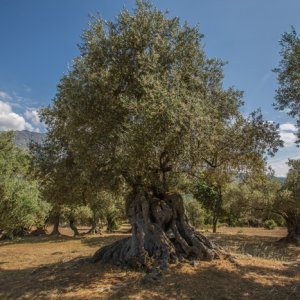
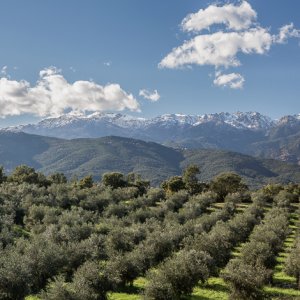
Corsica is home to an olive-growing region that covers a large part of the island. What makes Corsican olive cultivation unique is the diversity of the ancient varieties specific to this region. Protected by the PDO since 2007, Corsican olive oil – Oliu di Corsica – offers two very distinct taste profiles that showcase the producers’ expertise.
 © France Olive
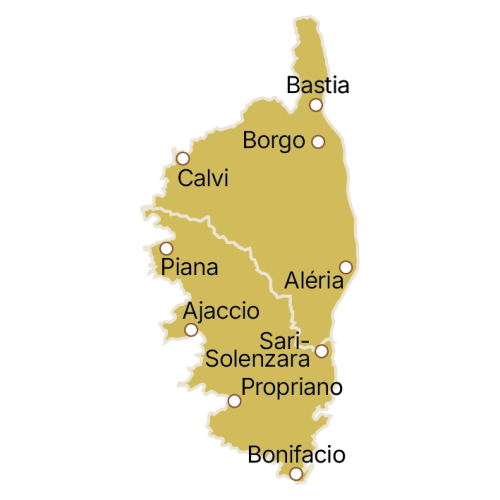
The production of Corsican olive oils – Oliu di Corsica – from cultivation to processing, takes place within a specific geographical area comprising 297 municipalities in Southern Corsica (101 municipalities) and Northern Corsica (196 municipalities). The presence of a great many hundred-year-old olive trees in the maquis bears witness to a significant history of olive cultivation. It is this history that largely explains the origin of the varieties planted: for instance, the Sabine variety, the most widespread in Corsica but found mainly in the Balagne region, is a locally selected variety, derived solely from wild olive trees. Similarly, the Capanace, the dominant variety in the Cap Corse region, was locally selected to adapt to the harsh climatic conditions of Cap Corse.
The practice of harvesting by allowing the fruit to fall naturally when fully ripe is a distinctive feature of Corsica’s production of huile d'olive "récolte à l'ancienne’. This tradition is now listed on the national inventory of intangible cultural heritage.
By the numbers
PDO defense and management body
The Syndicat AOC/AOP Oliu di Corsica – Huile d’olive de Corse is the promotional and management body that represents professionals within the appellation vis-à-vis the INAO. It works to guarantee the distinctive character of olive oil produced in Corsica from local varieties, by drawing up the AOP specifications and monitoring compliance with them. In this way, it ensures the quality of the oils, which combine traditional expertise with modern cultivation practices.