PDO olive-growing area Nîmes
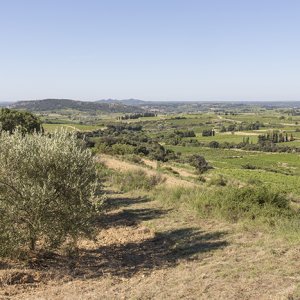
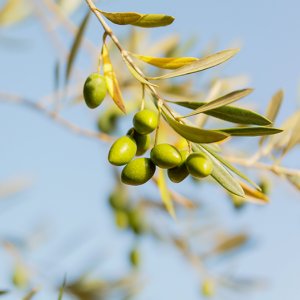
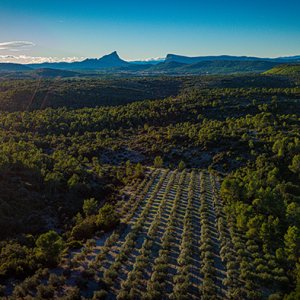
Between the Rhône and the garrigue, in the heart of the Nîmes region, discover two PDO varieties born of a terroir full of character. The Picholine, native to the village of Collias, very close to Nîmes, is the queen of the Gard: hardy and bountiful, it is equally suited to confectionery and oil production.
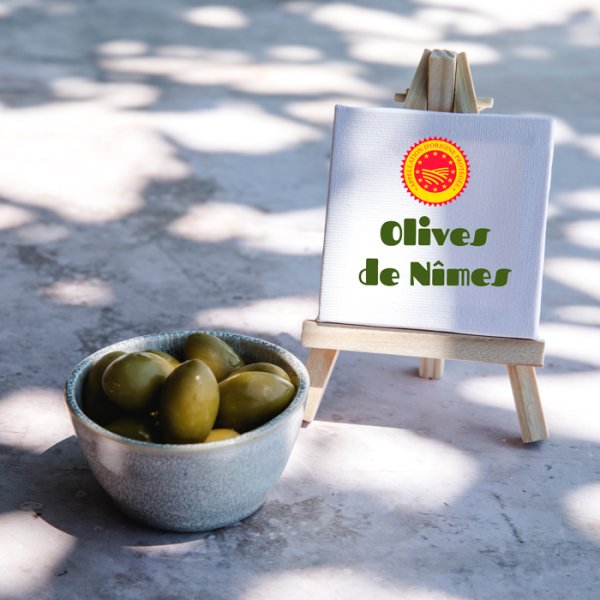
The olive de Nîmes, whole, a vivid green in colour and hand-picked, offers an unrivalled crunch, juicy flesh and aromas of butter and hazelnut.
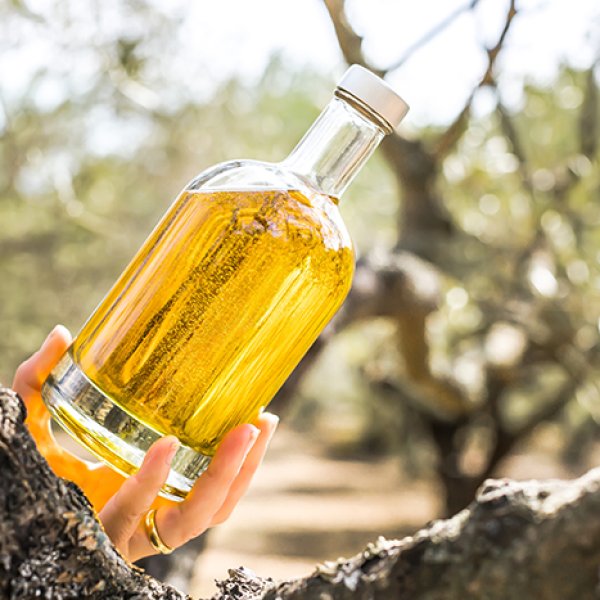
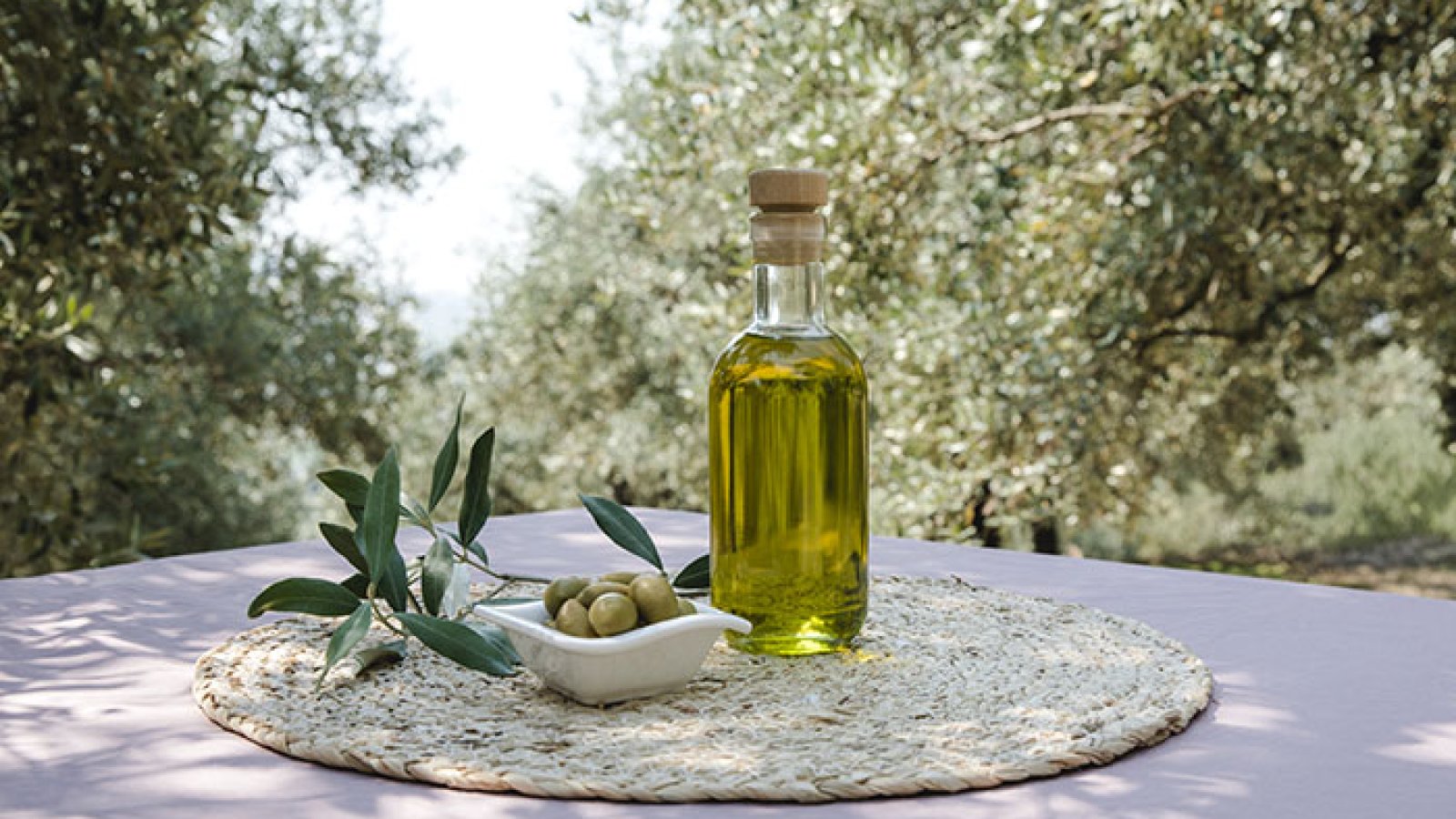
The huile d'olive de Nîmes, green with yellow highlights, reveals aromas of fresh grass, cut hay and raw artichoke, with a well-balanced heat.
Grown on hillsides bathed in 2,700 hours of sunshine a year and swept by the mistral, these two PDO products are the result of expertise passed down through generations.
 © France Olive
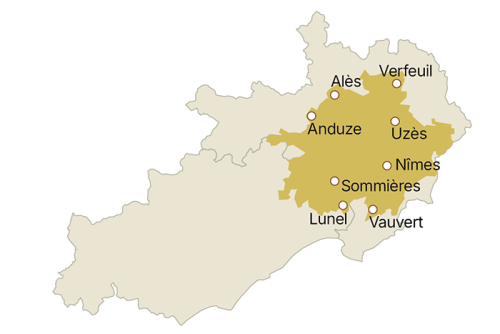
Between the Rhône and the hills of the Hérault, olive trees have shaped the landscape of the Gard for centuries. The olive de Nîmes PDO production area covers the olive-growing region of the Gard and the Hérault, excluding the Causses, the Cévennes mountains and the Camargue.
Its boundaries are defined by nature: the Rhône to the east, the Camargue to the south, the northern limit of olive cultivation (following the Gard garrigue to the north-east beyond 300 metres) and, to the west, a line of wooded ridges linking Ganges, Pic Saint-Loup and the Lez.
In this landscape of hills and slopes, rarely rising above 350 metres, olive trees grow on molasse, limestone and alluvial terraces, in a Mediterranean climate swept by the mistral.
Production, processing and packaging all take place here, across 223 municipalities united by a shared terroir and a shared expertise.
By the numbers
PDO defense and management body
Le Syndicat des AOP Olive et Huile d’olive de Nîmes was founded in 1996 under the name ‘Syndicat des Oléiculteurs du Gard’ (Gard Olive Growers’ Association), with the aim of securing two protected designations of origin: ‘Olive de Nîmes’ and ‘Huile d’olive de Nîmes’. It was necessary to demonstrate the unique character of the Picholine variety in the Gard, to define the geographical area and to identify producers, mills and packagers. This area covers 183 municipalities in the Gard and 40 in the Hérault.
The designations were granted in November 2004 for the oil and in October 2006 for the table olive. Since October 2007, the union has been the protection and management body (ODG) for both designations, which have become PDOs at European level.