Huile d'olive de Corse - Oliu di Corsica PDO
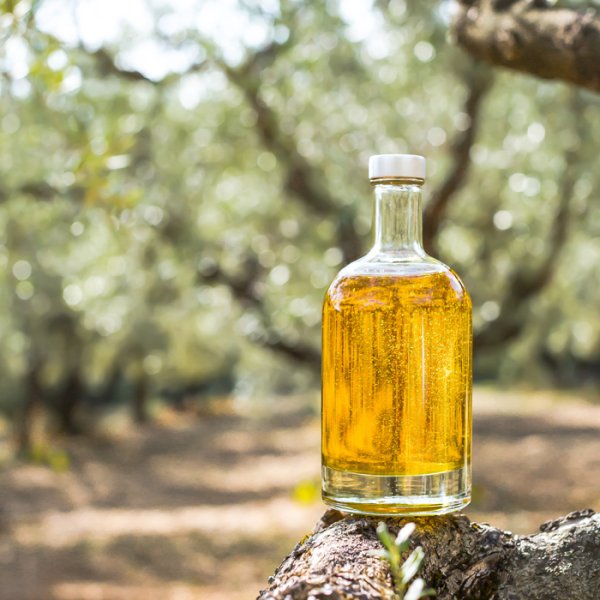

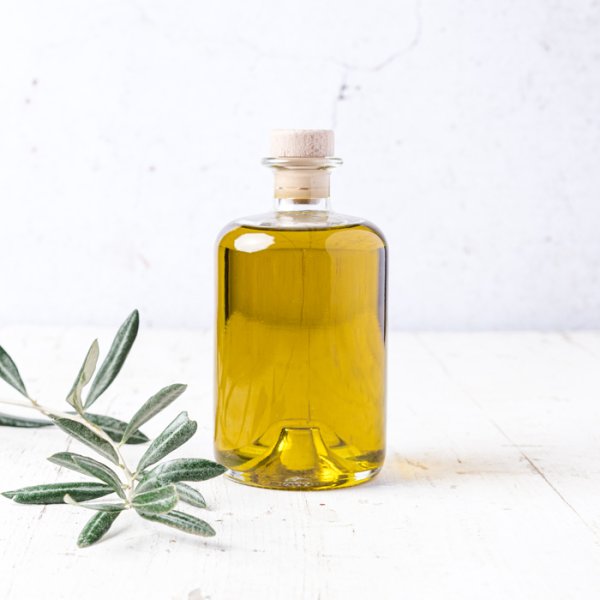
Corsica preserves a tradition that produces olive oils with very distinct flavours: ‘traditional harvest’ olive oils and ‘tree-harvested’ olive oils, which are described in detail below.
What does Huile d'olive de Corse - Oliu di Corsica PDO taste like?
The PDO huile d'olive de Corse – Oliu di Corsica – récolte sur l'arbre PDO is classified as an ‘intense-flavoured’ olive oil due to its distinctly vegetal flavour. It is characterised by aromas reminiscent of almonds, artichokes, hay, dried fruit or apples. Bitterness and piquant may be present.
The Huile d'olive de Corse - Oliu di Corsica PDO varieties
The olive oils are produced from varieties that are often endemic to Corsica: Sabine (also known as Aliva Bianca or Biancaghja), Ghjermana, Capanace, Raspulada, Zinzala, Aliva Néra (also known as Ghjermana du Sud) and Curtinese.
Within each olive grove, the planting of olive trees of pollinator varieties is permitted (up to a maximum of 5 per cent).
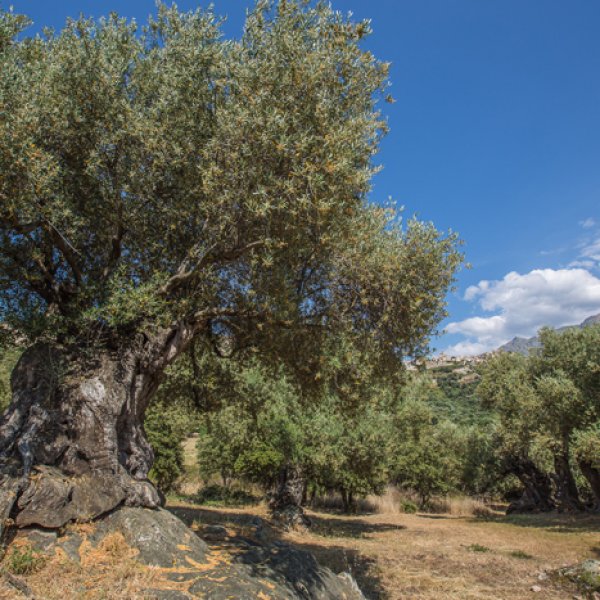
Of the 2,100 hectares of olive groves under cultivation, 1,300 hectares consist of old groves with trees dating back several centuries, spread across the whole island.
Olive harvesting for Huile d'olive de Corse - Oliu di Corsica PDO
The PDO huile d'olive de Corse – Oliu di Corsica “récolte sur l'arbre” is produced using olives harvested directly from the tree by mechanical means. This method is used in particular in younger orchards, which are more easily mechanised. Using mechanical harvesters, the olives are picked either whilst ‘ripening’, i.e. just as they are about to reach full maturity, or when fully ripe.
From October–November to February
Extraction of Huile d'olive de Corse - Oliu di Corsica PDO
The extraction process comprises the following stages: leaf separation, washing, crushing, mixing, extraction by centrifugation or pressing, settling, centrifugation and filtration.
By the numbers
Specifications
Specifications - Oliu di Corsica olive oil PDOHow to cook with Huile d'olive de Corse - Oliu di Corsica PDO
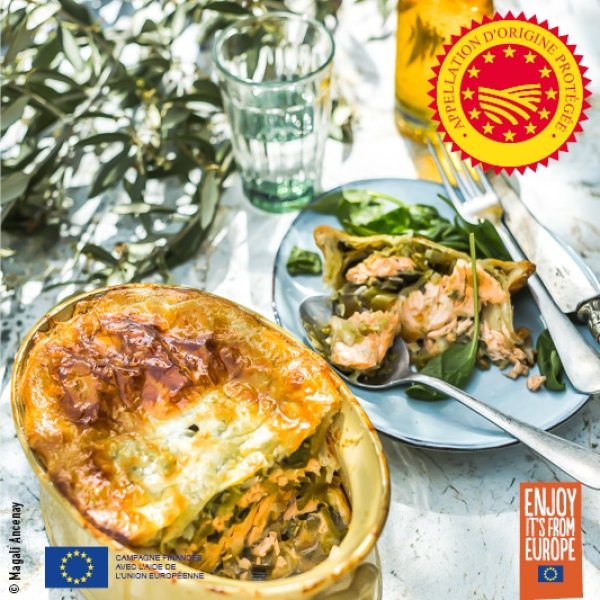
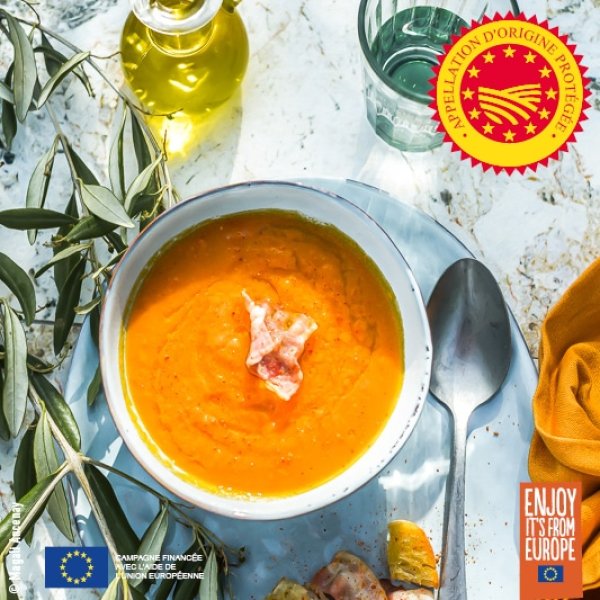
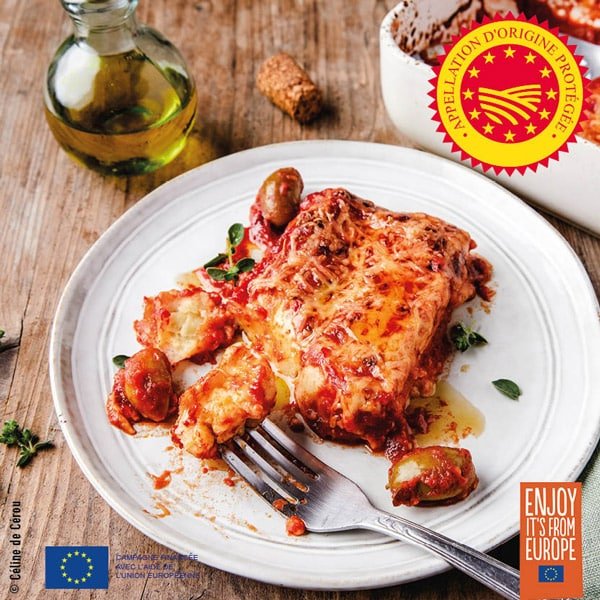
The PDO huile d'olive de Corse – Oliu di Corsica – récolte sur l'arbre pairs perfectly with all types of fish (baked in foil or grilled), white meats and fresh pasta. To round off a meal, it enhances cheeses and desserts, from fresh goat’s cheese marinated in herbs to a strawberry salad.
Discover Huile d'olive de Corse - Oliu di Corsica - récolte à l'ancienne PDO
Discover the terroir of Corse - Oliu di Corsica