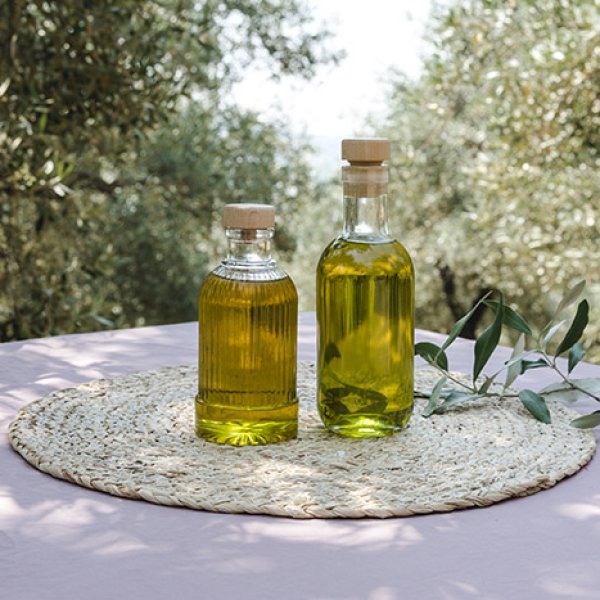
Huile d'olive d'Aix-en-Provence PDO
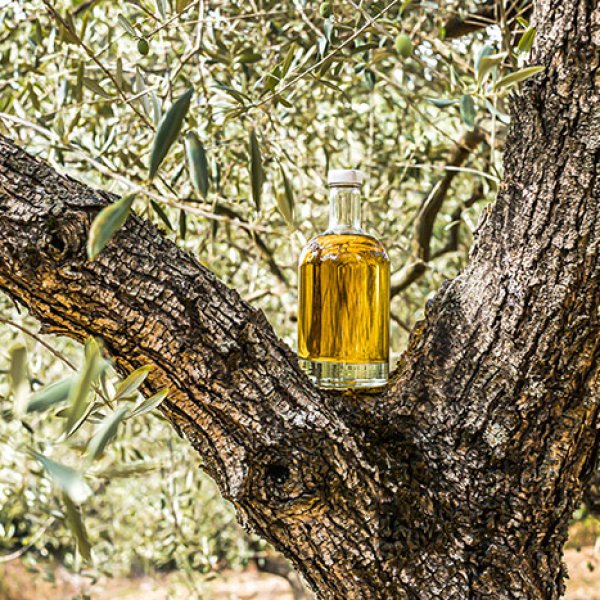

The PDO huile d'olive d'Aix-en-Provence is a full-bodied oil with vegetal notes and a slightly peppery finish.
What does Huile d'olive d'Aix-en-Provence PDO taste like?
As soon as you bring a bottle of PDO huile d'olive d'Aix-en-Provence to your nose, a whole landscape unfolds: freshly cut grass, raw artichoke and, at times, a gentle hint of vanilla that rounds the whole off.
On the palate, this promise is fulfilled. Fresh grass and raw artichoke dominate, joined by hints of walnuts, fresh hazelnuts and red berries. Then, on the finish, a slight peppery note may elegantly round off the tasting experience.
This oil also has its own distinct character, which evolves over time. During the first four months following pressing, its pungency (the ‘spiciness’) and bitterness are at their most pronounced, ranging from 1 to 5 on the International Olive Council’s scale. These characteristics then gradually mellow to settle between 1 and 3, revealing a rounder and more balanced oil.
A vibrant oil, at once plant-based, rich and nuanced, reflecting the character of Provence, from which it originates.
The Huile d'olive d'Aix-en-Provence PDO varieties
The PDO huile d'olive d'Aix-en-Provence is produced from a blend of varieties, each of which plays its own role. Three main varieties form the basis of the appellation: Aglandau, Cayanne and Salonenque. Together, they must account for at least 80 per cent of the trees in all the farm’s orchards, and at least two of them must be present.
Alongside this core, other varieties add their own nuances: Bouteillan, Grossane, Picholine, Verdale-des-Bouches-du-Rhône, as well as ancient local varieties such as Ribier, Sabine, Saurine, Sigeoise and Triparde, which bear witness to an olive-growing heritage passed down through the generations.
Finally, to ensure effective pollination, a few pollinator olive trees may be planted at the heart of each orchard. Arranged harmoniously, they must not account for more than 5 per cent of the trees in the orchard, and their olives are permitted within the appellation.
It is this precise balance between tradition, diversity and rigour that gives PDO huile d'olive d'Aix-en-Provence its unique character.
Olive harvesting for Huile d'olive d'Aix-en-Provence PDO
For the PDO huile d'olive d'Aix-en-Provence, it all starts with the right moment. The olives are harvested whilst still ‘ripening’, that is to say before they are fully ripe, at the point when they offer their best aromas.
They are picked directly from the tree, without the use of ripening agents, or harvested using mechanical methods. In the latter case, a precaution must be taken: the olives must be collected onto nets or other receptacles, and then gathered up every day.
There is one rule to which there are no exceptions: olives picked directly from the ground are excluded from the appellation. Stored and accounted for separately, they must never be mixed with batches intended for Aix-en-Provence olive oil.
A demanding process, from the orchard to the mill, to guarantee the quality of an exceptional oil.
From early October to late December
Extraction of Huile d'olive d'Aix-en-Provence PDO
For the PDO huile d'olive d'Aix-en-Provence, time is just as important as the terroir. To qualify for the appellation, the olives must be pressed within four days of harvesting.
Throughout the process, the olives are transported in crates or palox containers, to be harvested, stored and then delivered.
Delivery times are also strictly regulated.
Once the oil has been extracted, the care continues: it is stored under optimal conditions, away from light, heat and significant temperature fluctuations, to preserve its full character.
A meticulous craft, where every day counts, to produce an oil that truly reflects Provence.
By the numbers
Specifications
Specifications - Aix-en-Provence PDO olive oilHow to cook with Huile d'olive d'Aix-en-Provence PDO
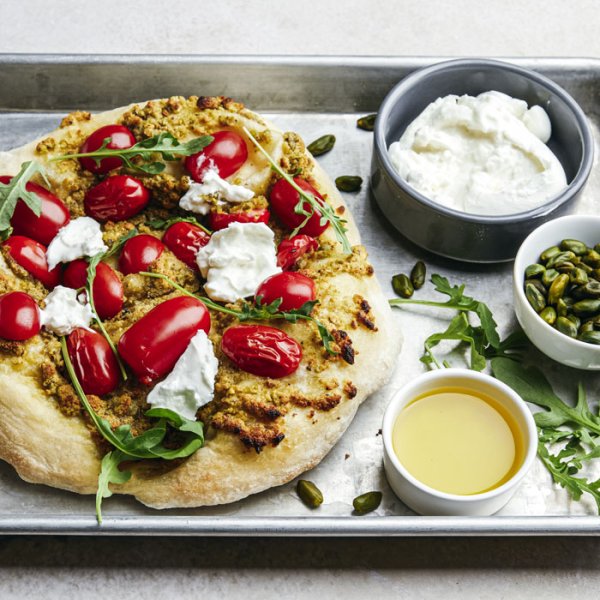
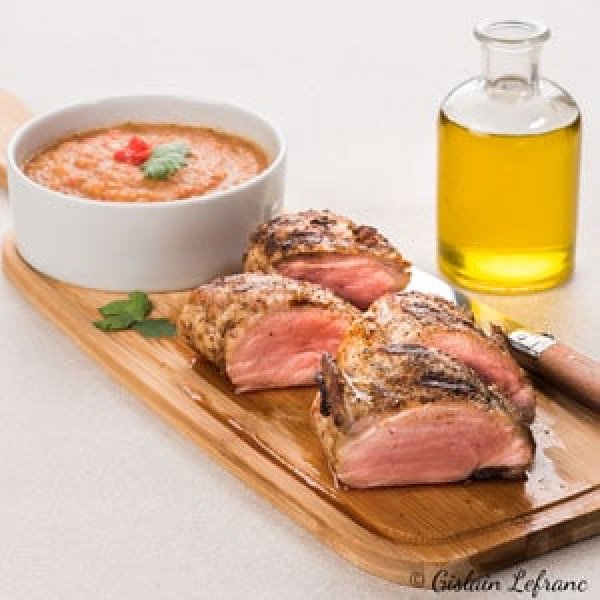
It is ideal for mixed salads with rocket, pasta and risottos, fish such as red mullet, meat dishes and desserts with red berries.

Discover Huile d'olive d'Aix-en-Provence – olives maturées PDO
Discover the terroir of Aix-en-Provence