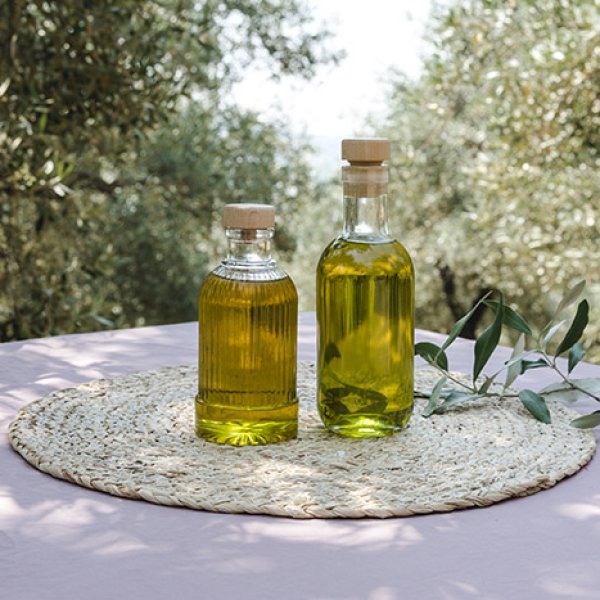
Huile d'olive d'Aix-en-Provence – olives maturées PDO
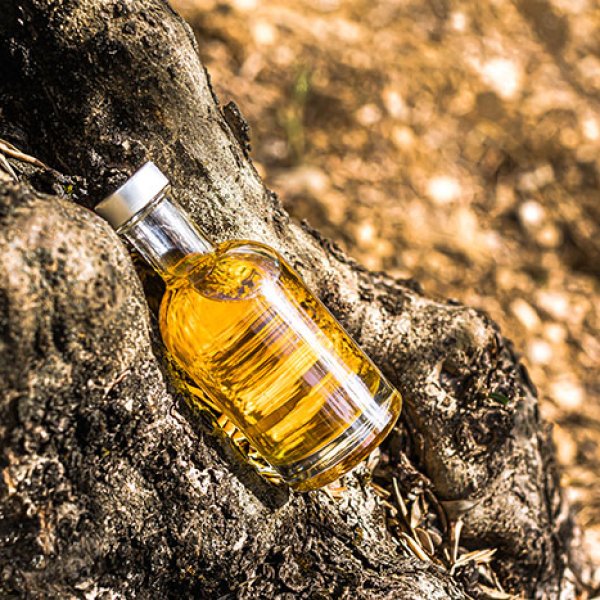

The Huile d'olive d'Aix-en-Provence – olives maturées PDO is made from olives stored at the mill for 4 to 10 days between harvesting and pressing. This fermentation takes place under controlled conditions. It is a mild oil, sometimes with woody aromas.
What does Huile d'olive d'Aix-en-Provence – olives maturées PDO taste like?
Harvested at full ripeness, this PDO huile d'olive d'Aix-en-Provence – olives maturées captivates with its rounded, rich flavour, in stark contrast to sharp, pungent oils.
On the nose, it is quite intense. Aromas of toasted bread, black olives and cooked artichoke dominate, occasionally complemented by gentler notes of cocoa or vanilla. On the palate, these aromas linger: sourdough bread, black olives, cocoa and cooked artichoke come through, creating a warm and harmonious blend.
Its distinctive character also lies in the virtual absence of bitterness and pungency. During the four months following pressing, these two sensations remain at or below 2 on the International Olive Council’s (IOC) organoleptic scale. They then gradually diminish and remain below 1 beyond this period, resulting in a very smooth oil that is particularly pleasant to taste.
The Huile d'olive d'Aix-en-Provence – olives maturées PDO varieties
The PDO Huile d'olive d'Aix-en-Provence – olives maturées PDO is produced from a blend of varieties, each of which plays its own role. Three main varieties form the basis of the appellation: Aglandau, Cayanne and Salonenque. Together, they must account for at least 80 per cent of the trees in all the farm’s orchards, and at least two of them must be present.
Alongside this core, other varieties add their own nuances: Bouteillan, Grossane, Picholine, Verdale des Bouches-du-Rhône, as well as older local varieties such as Ribier, Sabine, Saurine, Sigeoise and Triparde, which bear witness to an olive-growing heritage passed down through the generations.
Finally, to ensure effective pollination, a few pollinator olive trees may be planted at the centre of each orchard. Arranged harmoniously, they must not exceed 5 per cent of the trees in the orchard, and their olives are permitted within the appellation.
It is this precise balance between tradition, diversity and rigour that gives PDO huile d'olive d'Aix-en-Provence its unique character.
Olive harvesting for Huile d'olive d'Aix-en-Provence – olives maturées PDO
For the PDO huile d'olive d'Aix-en-Provence, time is just as important as the terroir. To qualify for the designation, the olives must be pressed within four days of harvesting. However, there is a variation: the appellation followed by the words ‘matured olives’, reserved for oils made from olives that have been stored for between 4 and 10 days before being pressed.
Throughout the process, the olives are transported in crates or paloxes, to be harvested, stored and then delivered. Those not intended for the ‘ripened olives’ designation must be placed in slatted crates or paloxes, which allow air to circulate and preserve their freshness.
Delivery times are also strictly regulated. No more than four days may elapse between harvesting and arrival at the mill for olives intended for the ‘cured olives’ designation, and no more than two days in all other cases.
Once the oil has been extracted, the care continues: it is stored under optimal conditions, away from light, heat and significant temperature fluctuations, to preserve its full character.
A meticulous craft, where every day counts, to produce an oil that is true to Provence.
From early October to late December
Extraction of Huile d'olive d'Aix-en-Provence – olives maturées PDO
For the Aix-en-Provence olive oil PDO, time is just as important as the terroir. To qualify for the appellation, the olives must be pressed within four days of harvesting.
Throughout the process, the olives are transported in crates or palox containers, to be harvested, stored and then delivered.
Delivery times are also strictly regulated.
Once the oil has been extracted, the care continues: it is stored under optimal conditions, away from light, heat and significant temperature fluctuations, to preserve its full character.
A meticulous process, where every day counts, to produce an oil that truly reflects Provence.
By the numbers
Specifications
Specifications - Aix-en-Provence PDO olive oilHow to cook with Huile d'olive d'Aix-en-Provence – olives maturées PDO
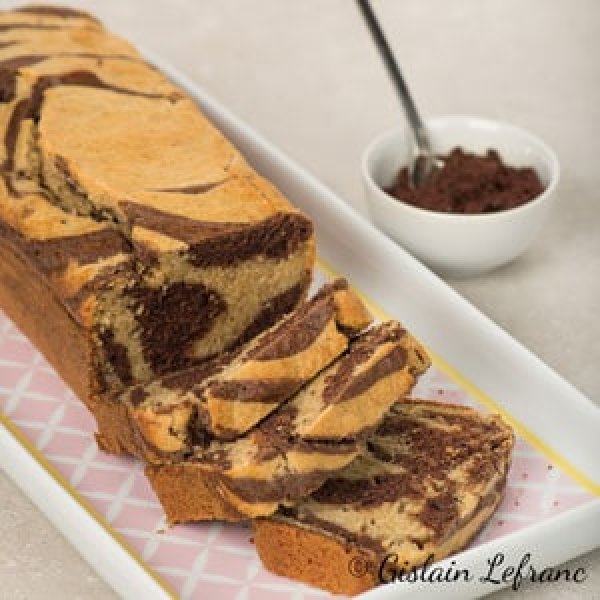
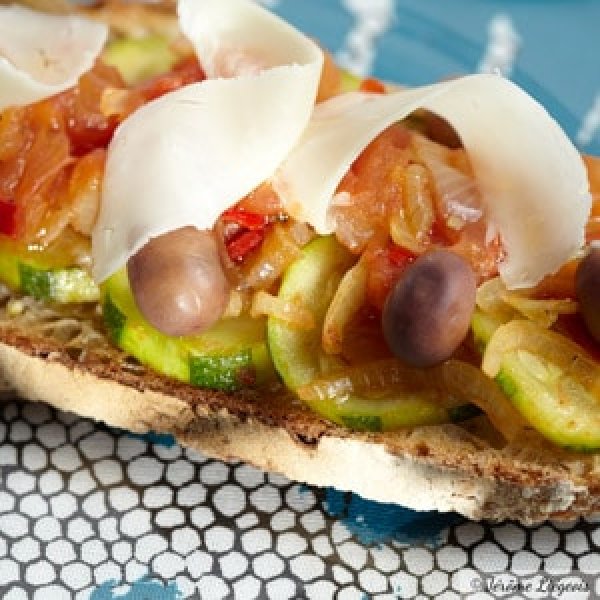
It is the perfect accompaniment to vegetables (aubergine, cabbage, etc.), starchy foods such as polenta, fish, chocolate desserts, and also meats with a ‘distinctive flavour’ such as bull.

Discover Huile d'olive d'Aix-en-Provence PDO
Discover the terroir of Aix-en-Provence