Huile d'olive de Nice PDO
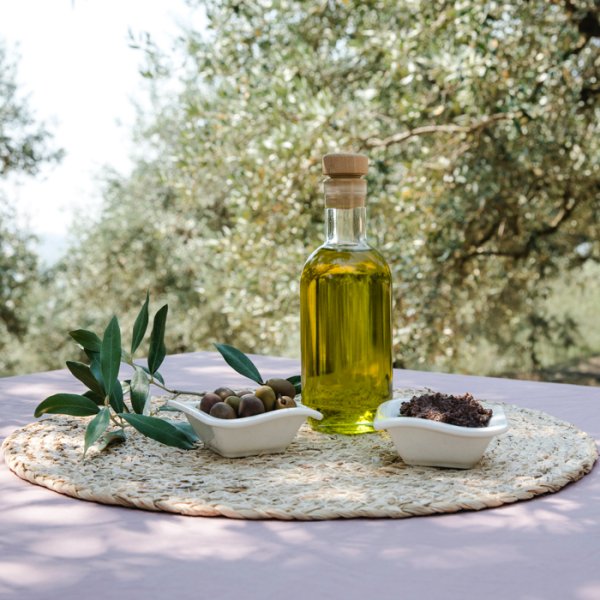

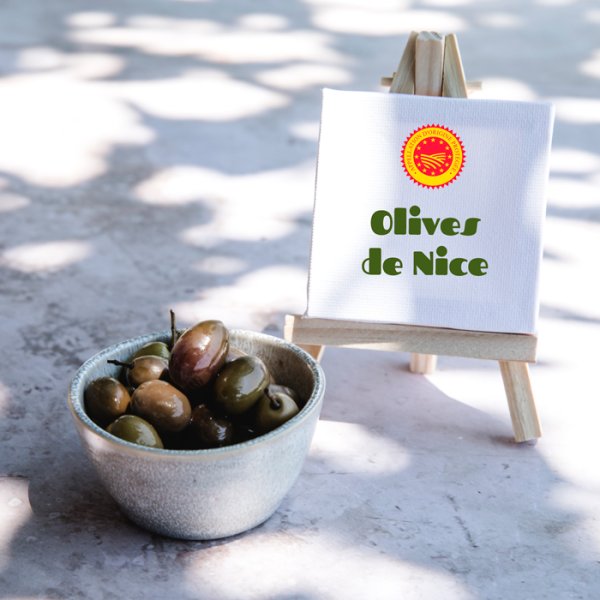
The PDO huile d'olive de Nice comes from a region spanning 99 municipalities in the Alpes-Maritimes. The Cailletier olive variety is typical of this region and is used to produce three olive-based products: olives de Nice PDO, pâte d'olive de Nice PDO and huile d'olive de Nice, which is described below.
What does Huile d'olive de Nice PDO taste like?
The huile d'olive de Nice PDO is part of the subtle family taste with a predominant aroma of almonds. This may be accompanied by one or more of the following secondary aromas: raw artichoke, broom flowers, hay, grass, leaves, pastries, ripe apple, dried fruit and citrus notes. This olive oil has a low level of piquant and bitterness.
The Huile d'olive de Nice PDO varieties
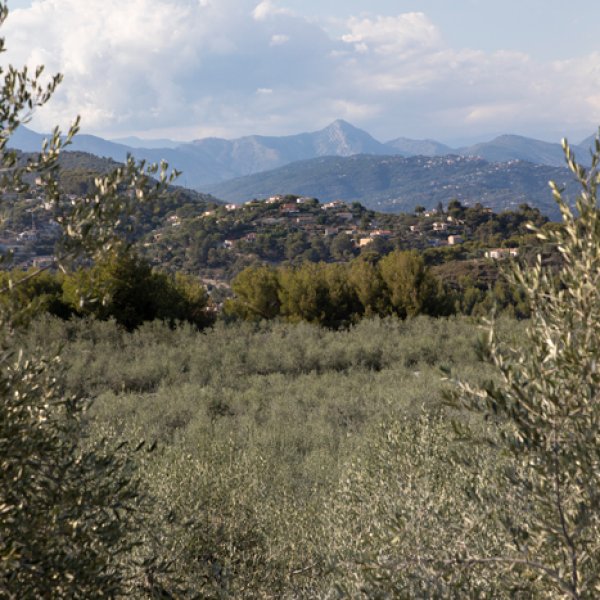
In this unique geological and soil-climate context, characterised by the absence of strong winds, the Cailletier variety has, over the centuries, established itself as the dominant variety in the orchards of Nice, providing ideal conditions for the cultivation of distinctive olives. The Cailletier variety is grown in all the olive-growing municipalities within the geographical area. The tree has an upright habit and a wide spread. Its large size sometimes gives rise to semi-forest-like stands. The tree’s natural shape is pyramidal, with long, drooping branches that are not particularly dense. The fruits hang down, often attached to the branch by a long stalk, and are generally solitary. This variety is so intimately linked to the olive-growing landscape of Nice that the synonyms associated with it are: Petite olive de Nice, Olivier de Grasse (the name of a commune near Nice) or Grassenc. Old local varieties or pollinator varieties are permitted for the production of the huile d'olive de Nice PDO (up to a limit of 5 per cent).
Olive harvesting for Huile d'olive de Nice PDO
Table olives are made from Cailletier olives harvested no earlier than the onset of ripening. The olives are picked directly from the tree, or harvested using traditional beating methods or mechanical processes. Harvesting is no easy task, as the olive groves are situated on moderate to steep slopes (10 to 30 per cent) with horizontal terraces built on the slopes, laid out in ‘restanques’.
From November to January
Extraction of Huile d'olive de Nice PDO
The extraction process comprises the following stages: leaf separation, washing, grinding, mixing, extraction by centrifugation or pressing, decanting, centrifugation and filtration.
By the numbers
Specifications
Specifications - Nice PDO olive oilHow to cook with Huile d'olive de Nice PDO
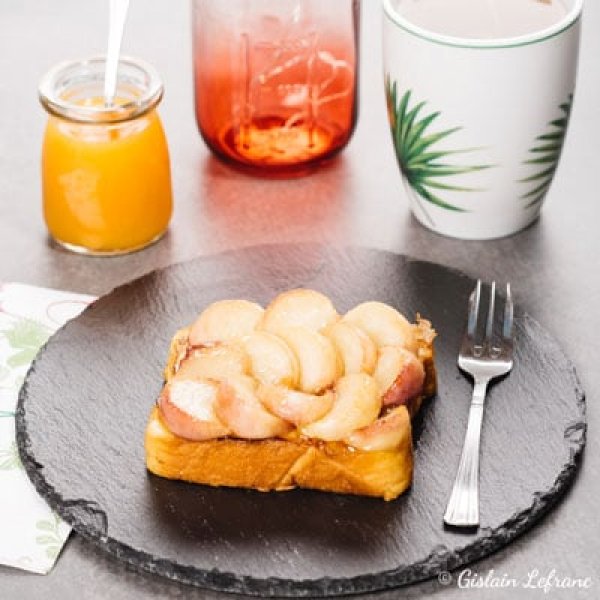
The huile d'olive de Nice PDO goes perfectly with a green salad and crunchy vegetables (carrots, courgettes, etc.), delicate fish such as monkfish, and white meats; it can also be used in baking or simply drizzled over a fruit salad.


Discover other products from this PDO
Discover this PDO