Huile d'olive de la Vallée des Baux-de-Provence PDO
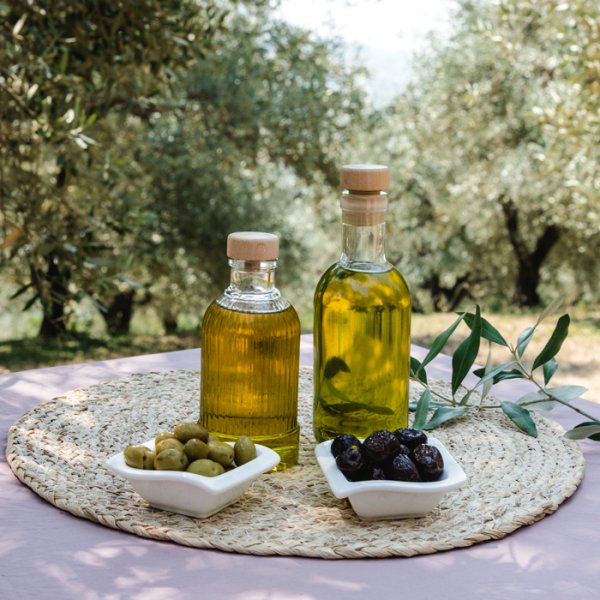

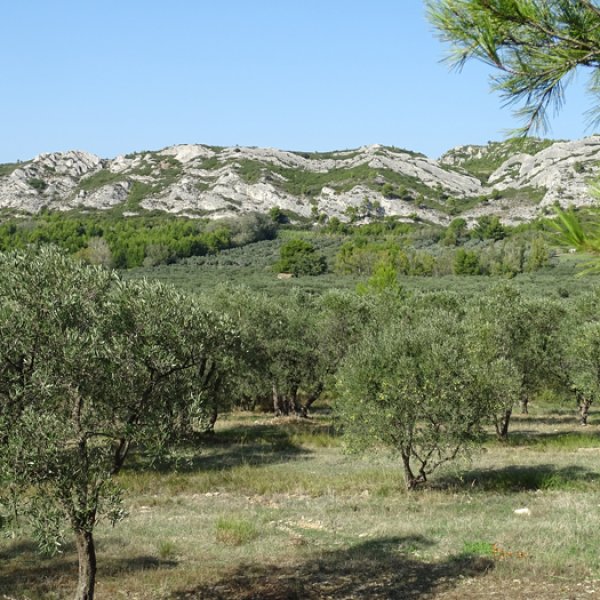
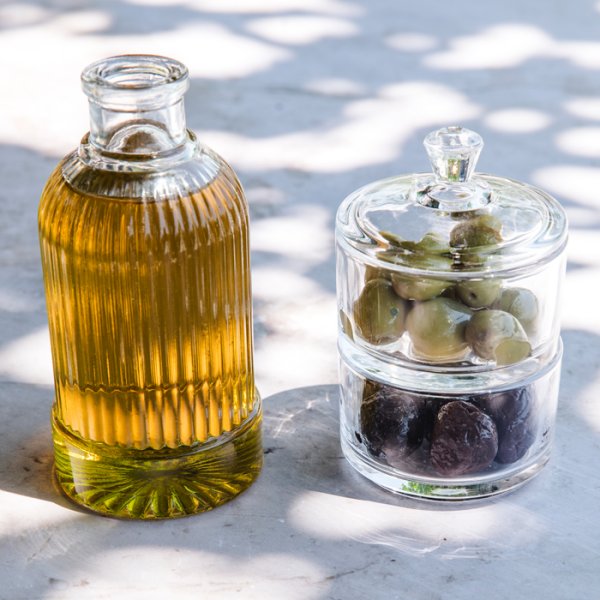
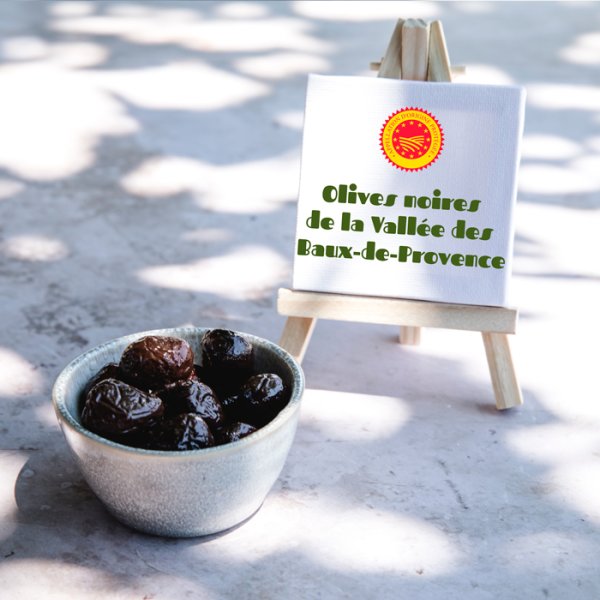
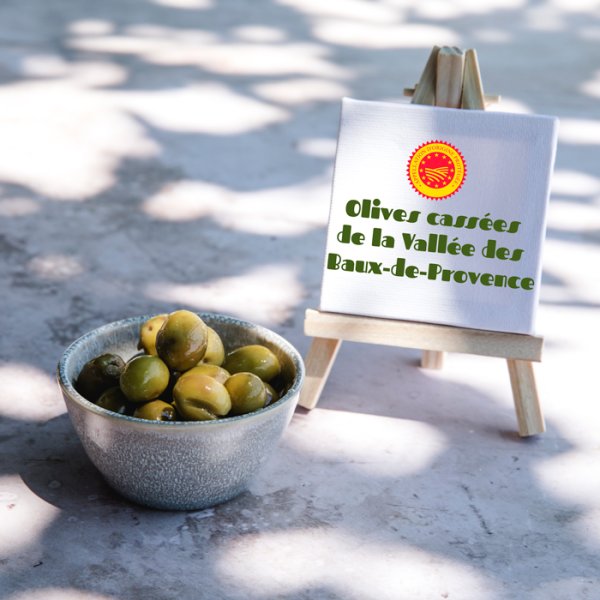
The Vallée des Baux-de-Provence is located in the heart of the Alpilles Regional Nature Park in the Bouches-du-Rhône. This olive-growing region is home to four products with Protected Designation of Origin status (PDO): olives cassées (cracked olives), olives noires (black olives) and two olive oils with very distinct characteristics. Here is a presentation of the PDO huile d'olive de la Vallée des Baux-de-Provence (intense taste).
What does Huile d'olive de la Vallée des Baux-de-Provence PDO taste like?
The PDO huile d'olive de la Vallée des Baux-de-Provence is characterised by the presence of at least two of the following aromas: freshly cut grass, apple, almond, raw artichoke, fresh hazelnut and tomato leaf. It is an olive oil with an intense flavour and moderate bitterness and piquant.
The Huile d'olive de la Vallée des Baux-de-Provence PDO varieties
Salonenque, Aglandau (also known as Béruguette), Grossane and Verdale des the Bouches-du-Rhône are the four main varieties used in the PDO huile d'olive de la Vallée des Baux-de-Provence. To qualify for the PDO designation, at least two of these varieties must be present (accounting for at least 80 per cent of the orchard), with secondary varieties permitted up to a limit of 20 per cent of the orchard for the Picholine variety, 15 per cent for various local varieties and 5 per cent for pollinator varieties.
Olive harvesting for Huile d'olive de la Vallée des Baux-de-Provence PDO
The olives are harvested directly from the tree or from nets and delivered to the mill no later than two days after harvesting.
From October to December
Extraction of Huile d'olive de la Vallée des Baux-de-Provence PDO
The extraction process comprises the following stages: leaf separation, washing, grinding, mixing, extraction by centrifugation or pressing, decanting, centrifugation and filtration.
By the numbers
Specifications
Specifications - Vallée des Baux-de-Provnece PDO Olive OilHow to cook with Huile d'olive de la Vallée des Baux-de-Provence PDO
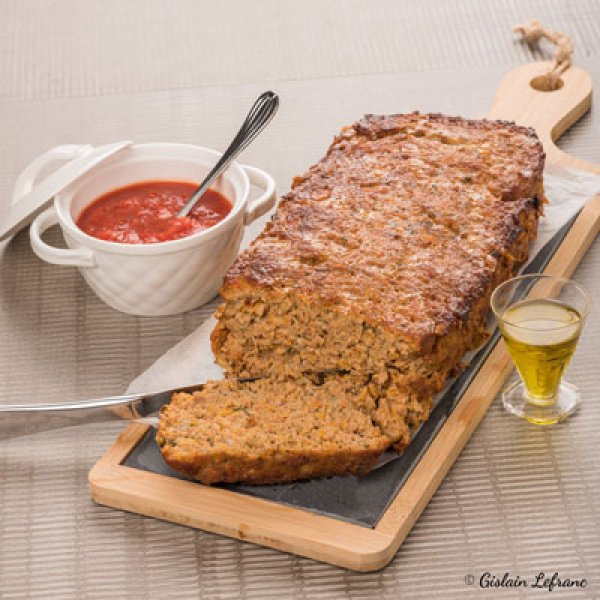
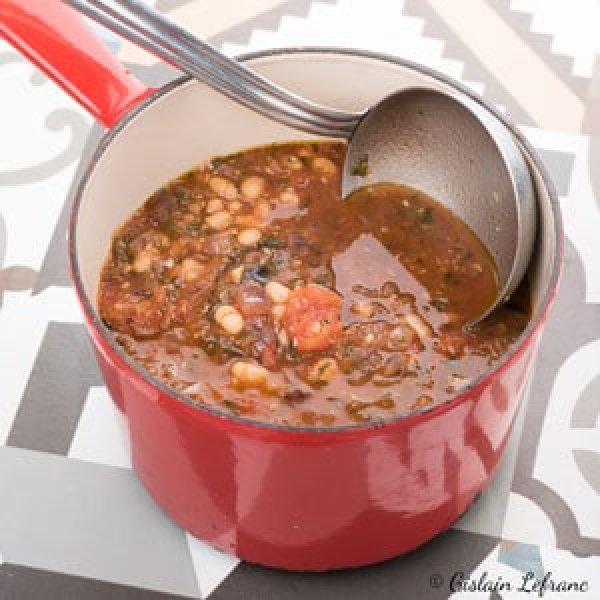
The PDO huile d'olive de la Vallée des Baux-de-Provence is ideal with vegetables (artichokes, tomatoes, broccoli, etc.), fish such as trout or salmon, red meat and strawberry desserts.

Discover other products from this PDO
Discover this PDO